
Town centre footfall data for BIDs and estates
Every BID manager eventually has the meeting where a levy payer asks what their money bought, and the honest answer is an impression rather than a number. Footfall data is how that conversation changes.

Counting what moves through your district
The cameras that already cover the estate or town centre for security also count what moves through it. There is no separate set of counting devices to buy and site.
- Pedestrian movement. Volumes by location, by hour and by day, tracked over time.
- Vehicle movement. Counts, types and direction of travel at each entrance.
- Patterns rather than moments. The useful output is almost never yesterday's number. It is this March against last March, or the week of an event against the week before it.
Counts sit alongside the vehicle data from any ANPR positions, so movement in and movement through can be read together rather than as two separate systems.

What it is for
Counting people is not interesting in itself. It matters because it produces evidence you can put in front of the people deciding whether to keep funding you. There are four uses, and they are not equally valuable. The first two are why districts buy it.
Proving impact before a ballot
A BID goes back to its members at the end of every term and asks them to vote for the levy again. "The district feels busier" is not an argument. A monthly footfall series for the high street across the whole term, and what it does either side of the things you spent money on, is a different kind of conversation, because it can be checked.
The trap is timing. Data collected in the twelve months before a ballot proves very little, because there is nothing to compare it against. The value compounds with age, so the useful moment to start counting is the beginning of a term, not the end of one. If your renewal is eighteen months away, that is worth knowing now.
Our page on CCTV and ANPR for business improvement districts covers the rest of the evidence a scheme can put in front of a ballot.
Funding applications
Grant funders and local authorities ask for baseline evidence, in a form somebody can audit. A district that can produce a movement series for its own footprint is in a far stronger position than one describing the place in adjectives, and most applicants are doing the second thing.
Our funding guide sets out who pays for a scheme, and who approves it.
Answering levy payers
A member who believes nobody walks past their unit any more can be shown what actually happens outside it. Sometimes that settles the argument. Sometimes it confirms they are right, which is also useful: then it is a problem the BID can work on rather than a grievance it absorbs.
Operational decisions
Cleaning schedules, event timings, where wardens are deployed, and when the district is genuinely busy rather than when everyone assumes it is. This is the smallest of the four uses and the one most often oversold.
Counting is not identifying
Counting people who pass a point does not require knowing who any of them are. A count is a number. It is not a record of an individual, it does not build a profile, and it cannot be searched for a person. In the schemes we design, nothing is kept per person.
The compliance reason. A scheme that counts is doing something far less intrusive than a scheme that identifies, and your data protection impact assessment (DPIA) should say so plainly. The necessity and proportionality test asks whether you could achieve your purpose in a less intrusive way. If your purpose is to understand how busy the district is, counting is the less intrusive way, and a supplier steering you towards anything more should be asked why.
The political reason. When a member objects to the scheme on privacy grounds, and on a district scheme somebody eventually will, "the footfall reporting counts, it does not recognise anyone" is a real answer rather than a deflection. It is worth designing the scheme so that sentence stays true.
If cameras bought for security are also going to count footfall, write that purpose into the DPIA from the start. Our guide to DPIAs for district CCTV and ANPR sets out the full position, ungated.
What footfall data cannot tell you
Few suppliers publish this part, which is why it is here.
It cannot tell you who. By design. See above.
It cannot tell you why. Numbers fell in March. The data will not tell you whether that was the weather, roadworks, a competitor opening or a national trend. It tells you where to look, not what happened.
It cannot separate a returning person from a new one, not in a scheme built to count rather than to track. Somebody who passes the same camera four times is four counts. If anyone quotes you a "unique visitors" figure for a district, ask exactly how it is derived: the honest version of that number is harder to produce than most people assume.
It is only as good as the positions. A camera pointed at a quiet side entrance produces accurate data about a quiet side entrance. Coverage decides what the numbers mean, so camera placement is a reporting decision as much as a security one. Our guide to planning camera positions across an estate covers how positions are chosen.
It is not comparable to somebody else's town unless you know exactly how both were measured. Different methods and definitions give different results. Comparing your own district against itself over time is usually the only honest comparison available.
Questions worth asking any supplier
Including us.
- Is this counting or is it tracking? What is stored per person, if anything, and for how long?
- How is a "unique" visitor derived, if that figure is offered at all?
- What is the count accuracy, and measured how? Not a datasheet claim: measured on a real site, against a human count, and written down.
- What happens in rain, in crowds and at night? These are the conditions that degrade counting, and they are the conditions a town centre actually has.
- Can I export the raw series, or only see a dashboard? A funding application may need the numbers, not a picture of them.
Our answer to the first question is above: it counts, and nothing is kept per person.
Where this fits
Footfall is one output of a district scheme rather than a product on its own. The same network and the same cameras also carry the vehicle and security side, and the reporting is where all of it is assembled into something a board reads.
The vehicles. What came in, when, and through which entrance.
Finding things in footage. Searching recorded CCTV by vehicle type, direction and time.
Board-ready reporting. Traffic and footfall trends over time, in one place.
Where this has been done
We designed and installed the CCTV and ANPR schemes below. They are listed as places we have built, not as footfall results.
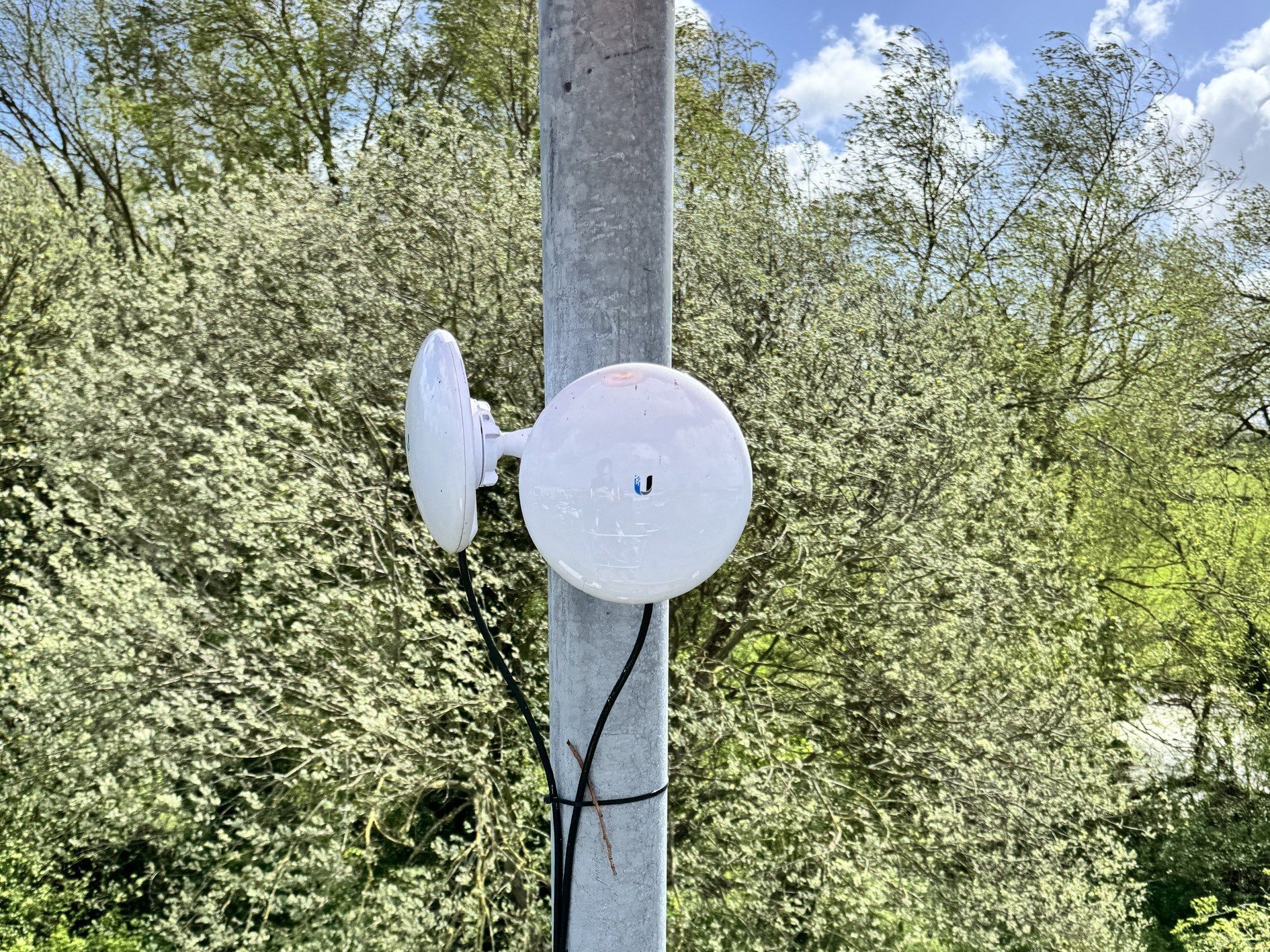
West Chester BID
14 multisensor CCTV cameras, each with four lenses, and 3 ANPR cameras across 14 locations, launched in September 2023.

Winsford 1-5 BID
A decade-long programme of estate-wide CCTV and ANPR.
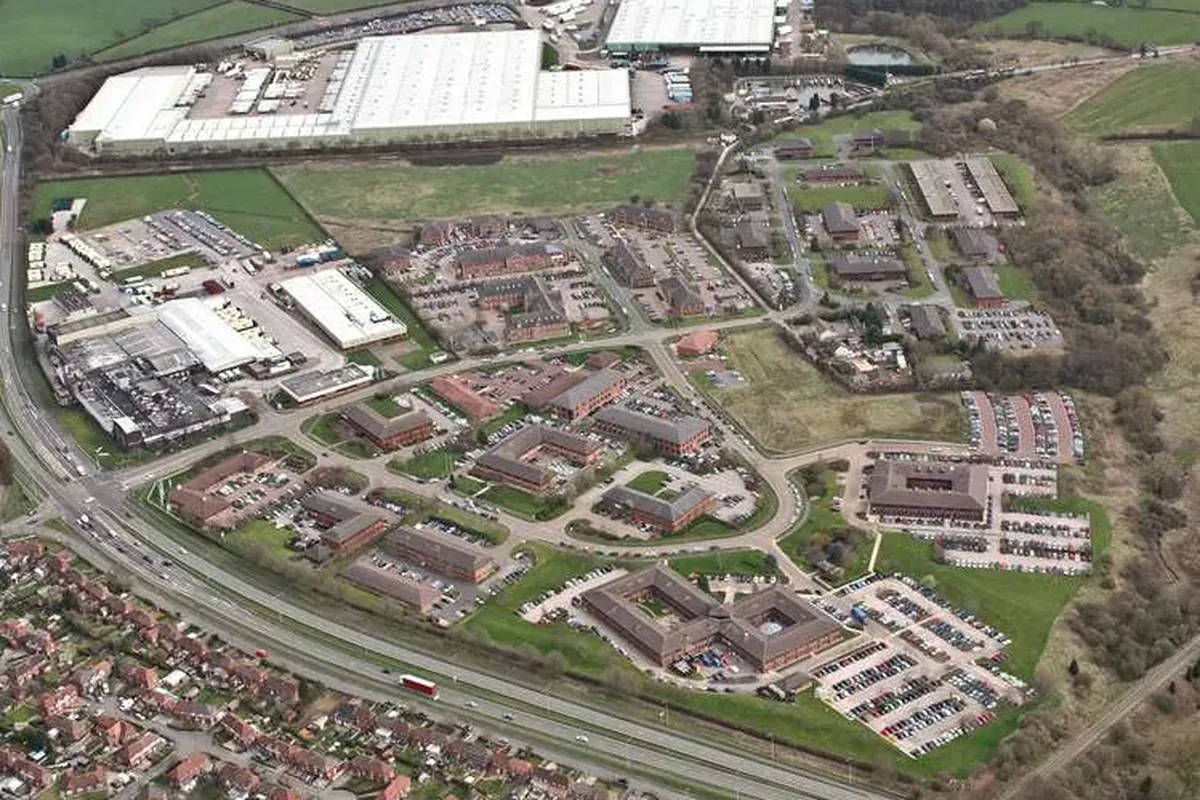
Gadbrook Park BID
Ageing cameras on timed tours replaced with four-lens panoramic units, with ANPR alongside, over a relationship of more than six years.
Common questions
Can our existing cameras count footfall?
In a Smart Place scheme, footfall is counted on the cameras that cover the place for security, including the ones already there. Coverage decides what the numbers mean, so where the cameras point matters as much as how many there are.
Does footfall counting identify people?
No. A count is a number, not a record of an individual. It does not build a profile and cannot be searched for a person. In the schemes we design, nothing is kept per person.
When should a BID start collecting footfall data?
At the beginning of a term, not the end of one. Data collected in the twelve months before a ballot proves very little, because there is nothing to compare it against.
Can footfall data tell us why numbers went down?
No. It tells you where to look, not what happened. A fall could be the weather, roadworks, a competitor opening or a national trend, and the count alone will not say which.
Can we compare our footfall with another town's?
Usually not, unless you know exactly how both were measured. Different methods and definitions give different results. Comparing your own district against itself over time is usually the only honest comparison.
Start counting early in the term
If your renewal ballot is more than a year out, this is the right conversation to have now, because the data is worth more the longer it runs. We walk the estate or town centre with you, look at what the cameras already cover, and you come away knowing what counting there would involve. It costs nothing and commits you to nothing.