
Finding one incident in a week of footage
Something happened outside a unit on Tuesday night. You have forty cameras, seven days of recording and a rough time, and somebody now has to sit down and look.

The search decides whether your cameras get used
Looking is the single biggest hidden cost of running a district scheme, and it quietly decides whether your cameras are useful. A system that records everything and makes you watch it is a system that gets used once, badly, and then stops getting used.
Search is the part that fixes it, and it is one of the four questions Smart Place answers for an estate, business park or BID. This is also the corner of the market with the loosest language in it, so the honest limits are set out here as well.
What AI-assisted search actually does
Rather than scrubbing timelines, you describe what you are looking for and the system returns the matching moments across the whole estate.
By vehicle. Type, and the plate where an ANPR camera covers that road.
By appearance. Clothing colour is the one that does most of the work in practice.
By direction of travel. It matters more than people expect, because "everyone who came in from the north entrance between 11 and midnight" is usually the actual question.
By time window, across several cameras at once.
The practical effect is that an afternoon of searching becomes a few minutes, including when the request comes from the police. The plate side of the same system is covered on our ANPR page.
Why speed matters beyond convenience. The largest UK study of CCTV as an investigative tool found that officers never even requested the footage in 20.1% of recorded crimes, one of the two biggest reasons CCTV failed to help at all. A scheme that can answer quickly gets asked more often. One that takes a week stops being asked. Our guide to CCTV retention, evidence and police requests sets out the full figures.
Watchlists, and what they should and should not do
A watchlist flags a vehicle of interest when it arrives rather than after somebody finds it: an out-of-hours movement, a vehicle already linked to an incident on the estate, an unusual pattern.
Two things to hold onto here, and the second is a genuine compliance point rather than a caveat.
A flag is a prompt for a person, not a decision. If a match automatically triggers an enforcement action, denies access or blacklists a vehicle with no human involved, you may be making an automated decision with legal or similarly significant effects for someone, which carries its own obligations under data protection law. Keep a person in the loop on anything with consequences.
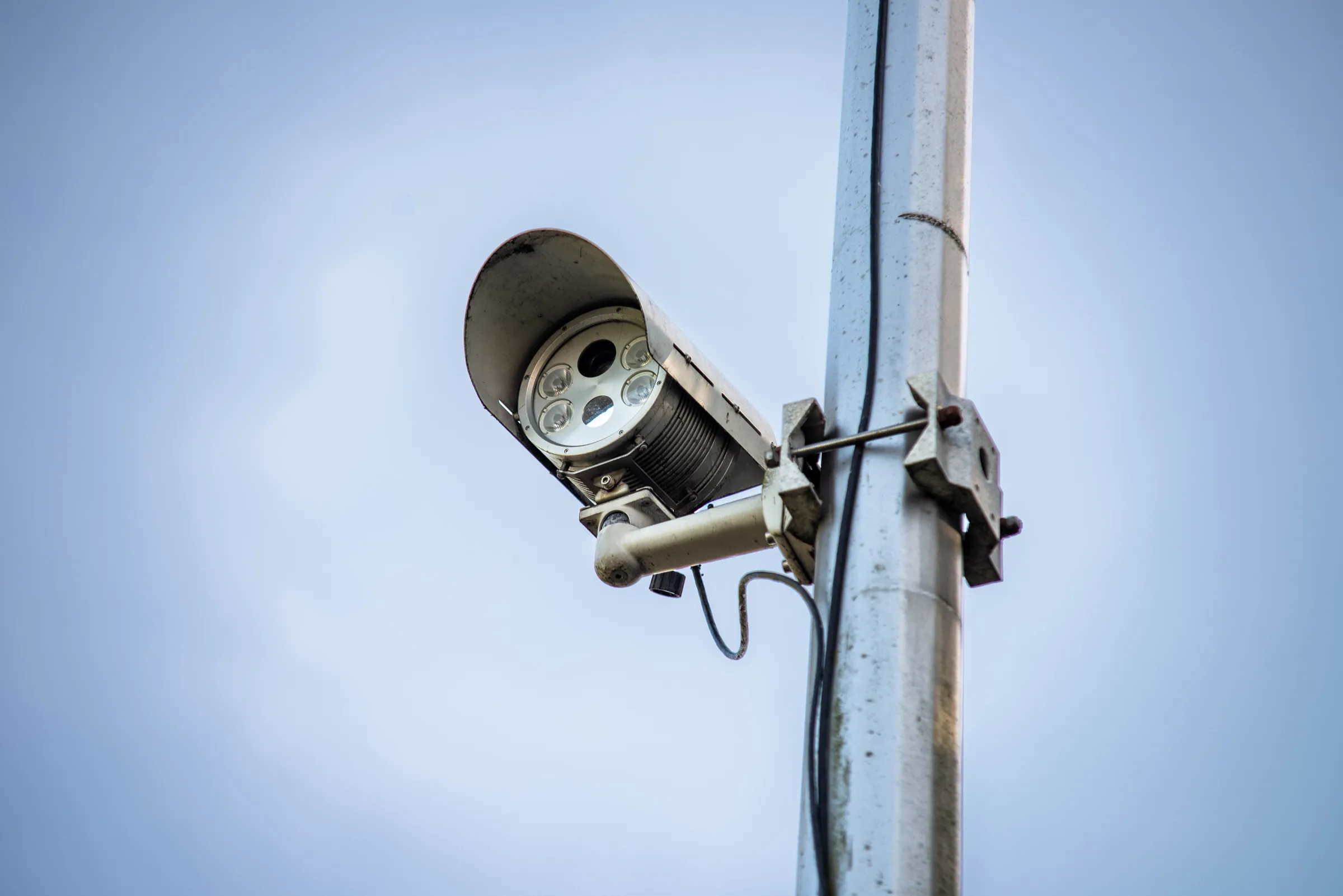
A correct read can still be the wrong vehicle. A cloned plate produces a perfectly accurate read of a registration belonging to an innocent keeper somewhere else. The system is not wrong; the inference is. This is the strongest practical reason to keep an overview image alongside the plate image, because a make or colour that does not match the DVLA record is usually the only way a clone gets noticed before somebody gets a letter they do not deserve. Our guide to planning ANPR across an estate covers where the overview camera goes.
Where the compliance line sits, and why we are raising it
This is the part of an AI CCTV conversation that most suppliers leave for the customer to discover.
Ordinary CCTV of people's faces is personal data. It is not special category data. The ICO is clear that biometric data "only becomes" special category data "if you use it to uniquely identify someone".
So there is a line, and it runs between detecting and identifying.
Detection. Finding everyone in a red coat who walked north between 11 and midnight narrows footage. On its own, it does not tell you who anyone is.
Identification. Matching a face against a watchlist to establish which person this is, is facial recognition. That processes special category biometric data, and it needs an Article 9 condition on top of your ordinary lawful basis: a materially harder compliance case, with an appropriate policy document behind it.
Appearance search moves closer to that line when it is used to single out one specific person. Analytics that infer age, sex or ethnicity may also touch special category data even without identifying anybody.
Why we raise it. If you are buying "AI cameras", the question that decides your compliance position is not resolution or frame rate. It is: which analytics run, what does each one infer, and does any of it uniquely identify a person? Ask it in writing, of any supplier, including us. If the answer includes facial recognition, that is a different scheme with a different DPIA, and it should be treated as one.
We have written the whole position up, ungated, in DPIAs for district CCTV and ANPR, including why a defective DPIA is not a paperwork problem but the thing that can make the processing itself unlawful.
What this is not
Not a video management system. You do not watch live camera feeds in Smart Place. It is a management, reporting and incident layer, and the video stays in your camera software. Search, reporting and incident handling happen here; live viewing happens there.
Not round-the-clock monitoring. Full-time staffed monitoring is cost-prohibitive for most districts, and we have said so to customers in writing. Monitoring is on demand: the analytics prompt a remote monitoring station to look at an event, and how that works is agreed for each estate.
Not a reason to replace your cameras. Newer and older cameras run side by side in the same scheme.
Not magic. Analytics narrow footage; they do not understand it. Every search result still needs a person to look at it and decide, and every scheme still needs someone whose job it is to do that. A supplier who implies the system does the deciding is describing a product nobody sells.
What the AI actually does
The analytics run on machine learning: models trained to recognise what is in a frame of video. That is a form of AI, and it is what makes a large scheme searchable.
In practice it recognises that a shape is a vehicle rather than a person, that someone is wearing a red coat, that movement is heading north, and it does that across every camera at once. That is the work that used to take someone an afternoon of watching footage.
What it does not do is decide. It narrows hours of recording down to the moments worth looking at, and a person still looks at them and judges what they mean. Ask any supplier, including us, to show it working on your own footage before you rely on it.
Where this has been done
West Chester BID
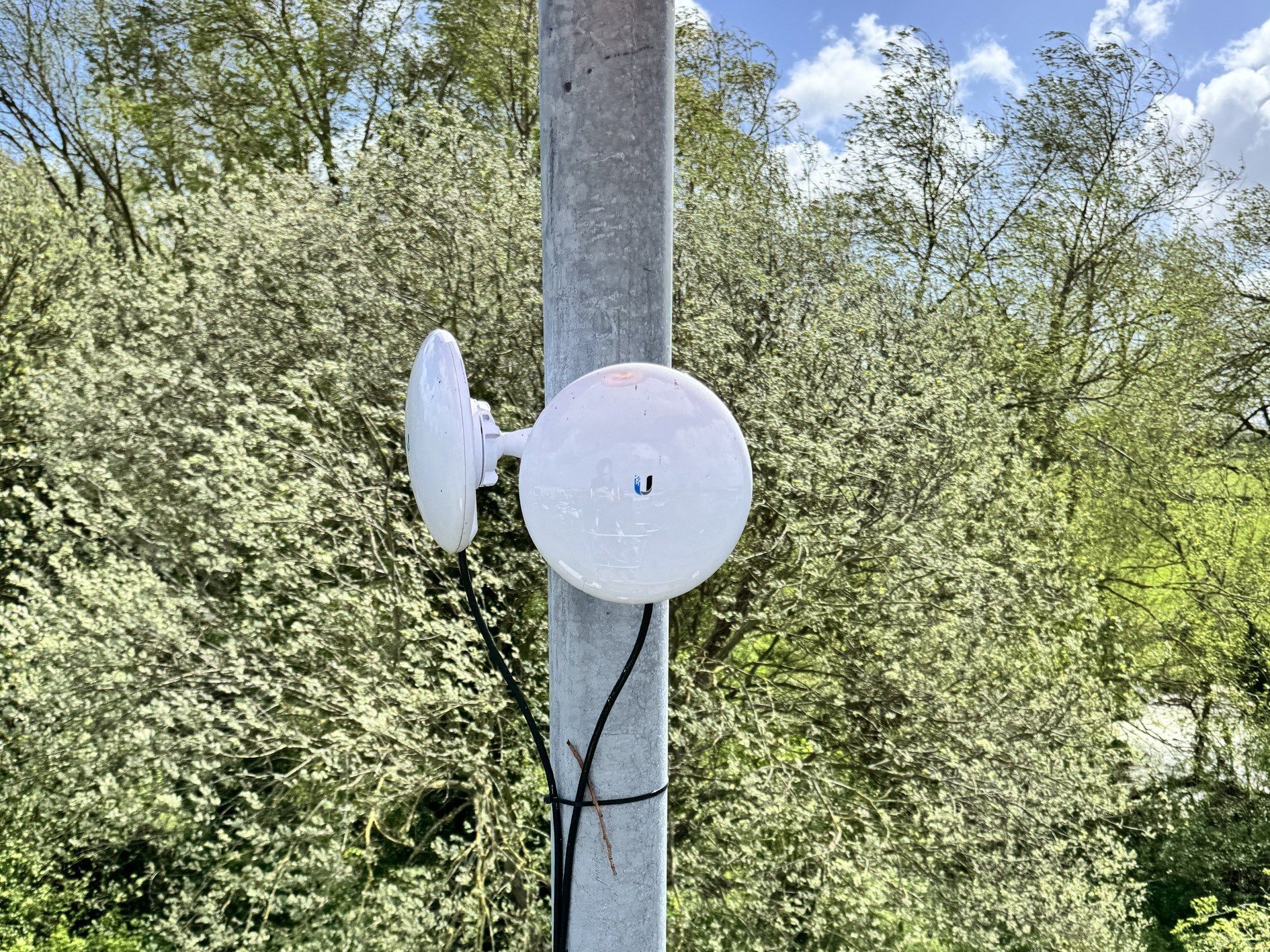
14 AI-enabled multisensor CCTV cameras, each giving 360-degree coverage through four lenses, and 3 specialist ANPR cameras covering the estate entrances, across 14 locations, launched in September 2023, with AI-enhanced search and monitoring across the whole system.
Winsford 1-5 BID
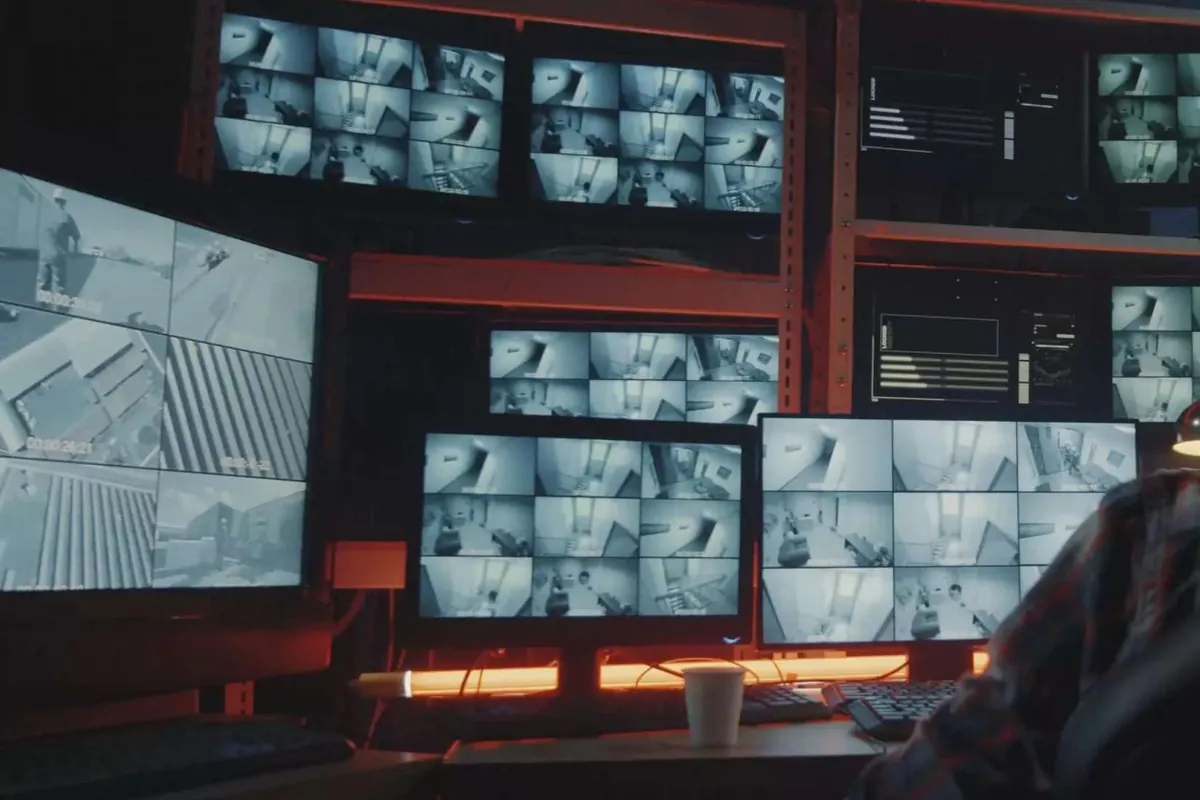
A decade-long programme of estate-wide CCTV and ANPR, handling hundreds of thousands of vehicle movements per month. AI-assisted monitoring highlights people, vehicles and incidents, so operators review footage quickly rather than watching hours of empty car parks.
Gadbrook Park BID
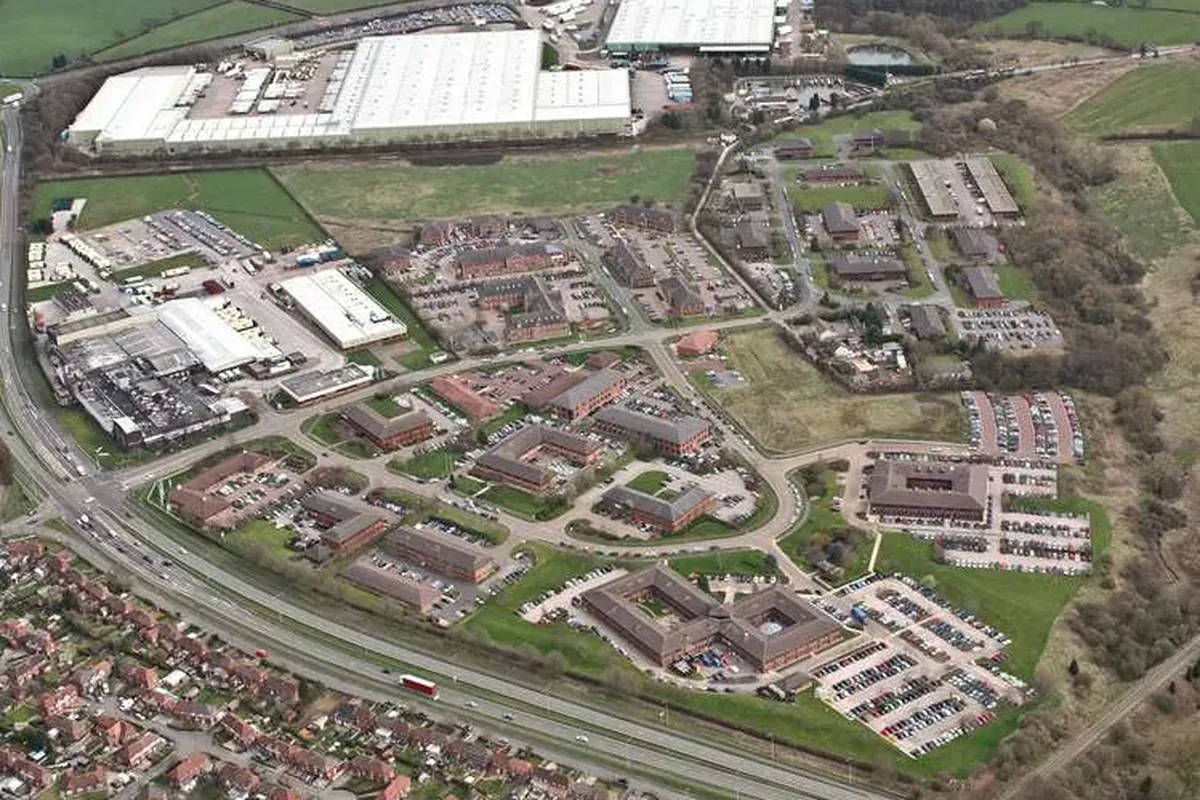
A working relationship of more than six years. Ageing cameras that swept on timed tours were replaced with static panoramic units, each with four independent lenses, so every location is watched in all directions at once, with no moving parts to wear out. ANPR runs alongside.
We have deliberately not put a detection-rate or crime-reduction percentage on this page. We do not have one we can source, and a number we cannot show you the working for is worth nothing to you at a board meeting.
Common questions
Does AI CCTV identify people?
Detection does not. Finding people and vehicles by appearance, direction and time narrows footage; it does not tell you who anyone is. Matching a face against a watchlist is facial recognition, which processes special category biometric data and needs its own DPIA. Ask any supplier, including us, which analytics run and what each one infers.
Can we watch live camera feeds in Smart Place?
No. Smart Place is a management, reporting and incident layer, not a video management system. Live viewing stays in your camera software.
Is the scheme monitored 24 hours a day?
No. Monitoring is on demand: the analytics prompt a remote monitoring station to look at an event, and how that works is agreed for each estate.
Do we have to replace our existing cameras?
No. Newer and older cameras run side by side in the same scheme.
Can a watchlist match lock a vehicle out automatically?
It should not happen without a person. A flag is a prompt for a person, not a decision: an automatic enforcement action, denial of access or blacklisting with no human involved may be an automated decision with legal or similarly significant effects, which carries its own obligations under data protection law.
Where to go next
The vehicles side of the same system.
How busy the place is, from the same cameras.
Turning the same data into something a board reads.
Running a BID?
How a district scheme gets past your board, and our guide to who pays for a scheme, and who approves it.
See what would earn its place on your estate
We will walk the estate with you to see which cameras are already there and which analytics would earn their place, including when the answer is none of them. It costs nothing and commits you to nothing.