
ANPR systems for estates, business parks and BIDs
This page is about ANPR systems across a place with several ways in, shared roads and more than one owner: an industrial estate, a business park or a BID area. It is not about car-park barriers or parking fines. It follows the order of a board paper: where the cameras go and which type each position needs, what the system will and will not do, how the plate data is controlled and kept, and how a scheme fits a BID term.

We designed and installed the estate-wide scheme at West Chester BID: 54 AI-enabled CCTV cameras and 3 ANPR cameras across 14 locations, launched in September 2023.
If you need ANPR for one site with one owner, such as a single yard, gate or car park, that is an installation job. OneTek covers ANPR for a single site. If you are a driver with a question about police or speed cameras, this page will not answer it.
An estate ANPR scheme in one paragraph. Dedicated ANPR cameras read plates at each way in and out of the estate, often one for each direction of traffic, with an overview camera beside them. CCTV covers the shared roads and yards between the entrances. One estate network links every position. When a listed vehicle is read, an alert goes to the people who act on it. After an incident, you search by plate, time and entrance instead of watching footage. Plates stay readable for 30 days, then are hashed and kept for a period the controller sets. A DPIA and a written disclosure policy are in place before go-live, and the scheme is phased to fit the BID term.
What ANPR is, and how it differs from CCTV
Automatic number plate recognition (ANPR) is a camera system that reads a vehicle's registration plate, turns it into text and logs it with a time and a place. In the US it is called LPR or ALPR.
The difference between ANPR and CCTV is what you can do afterwards. CCTV records what happened, and to find something, someone has to watch the footage. ANPR adds a line to a searchable log for each plate a reader captures: this plate, this entrance, this time, this direction.
What an ANPR system does on an estate
Sold as an ANPR security system for one gate, it does a narrow job. Across an estate it does two jobs that recording alone cannot.
Knowing when a vehicle of interest comes back
A watchlist is a list of vehicles you want to know about, such as a van seen before a break-in or a vehicle linked to fly-tipping. When a listed plate is read at any entrance, an alert goes to the two or three people who act on it, not to a control room you have to staff. Alerts can also be set for vehicles moving when the estate should be quiet.
A watchlist needs written rules: who can add a plate, on what grounds, who checks a match before anyone acts, and when the plate comes off.
Finding a vehicle after the event
A member reports a theft on Tuesday morning: what came in and went out overnight? You search by plate, time window, entrance and direction of travel, or by vehicle type when nobody got the plate, and get a list of sightings to check instead of a night of recordings.
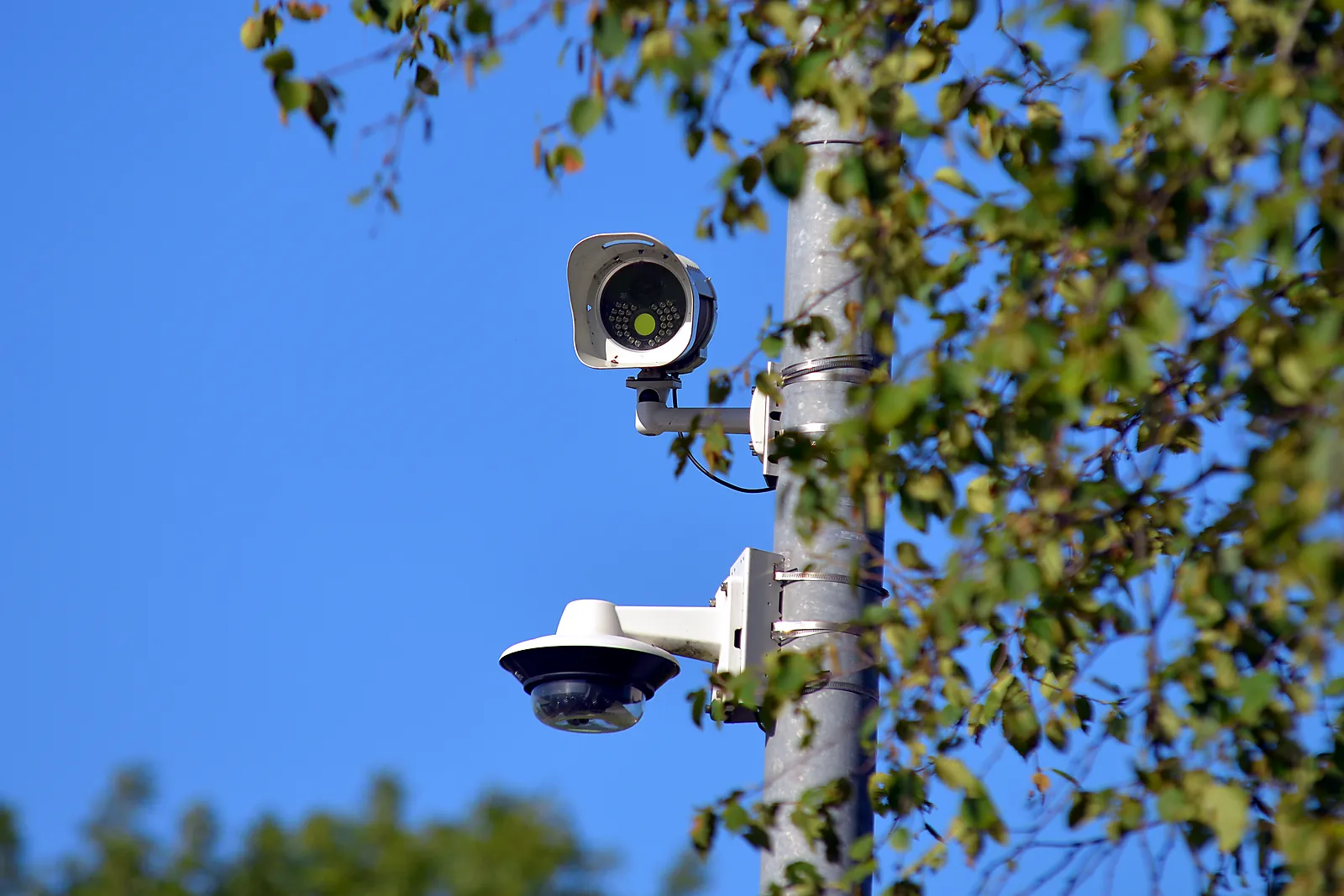
Where the cameras go on an estate
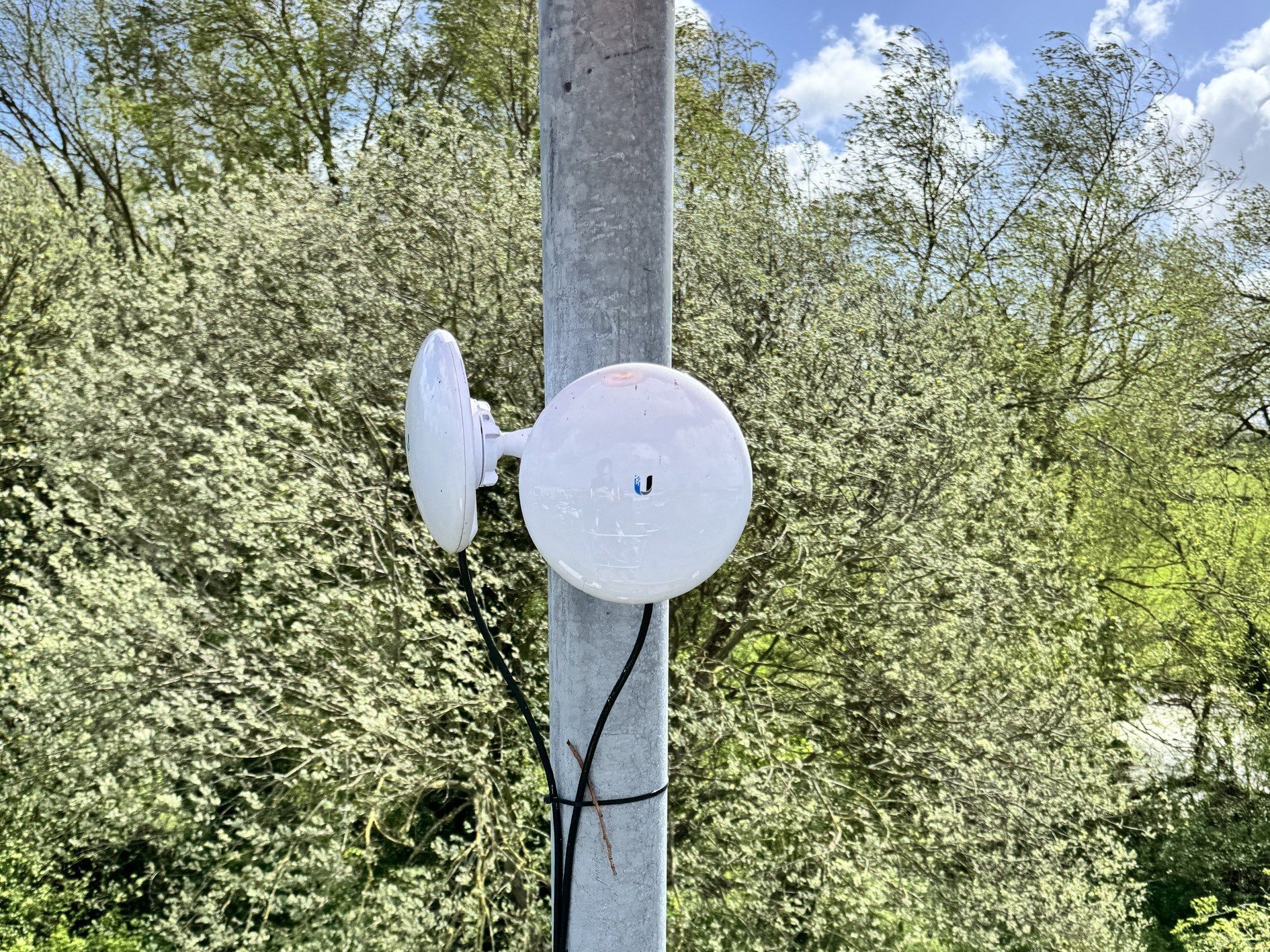
Start with the ways in and out. On most estates, every vehicle has to use one of a small number of roads to enter and leave. Readers on each of those roads give you a read on the way in and another on the way out.
Then work inwards: an overview camera beside every reader, CCTV on the shared roads and yards between the entrances, a reader on an internal junction only where it answers a question, and no more cameras than the job needs. Entrances are often at the edge of the estate, with no power or data, and every reader needs both.
Our guide to planning ANPR across an estate covers each position, who has to agree to a camera on each road, and how to power and connect them.
Choosing a camera for each position
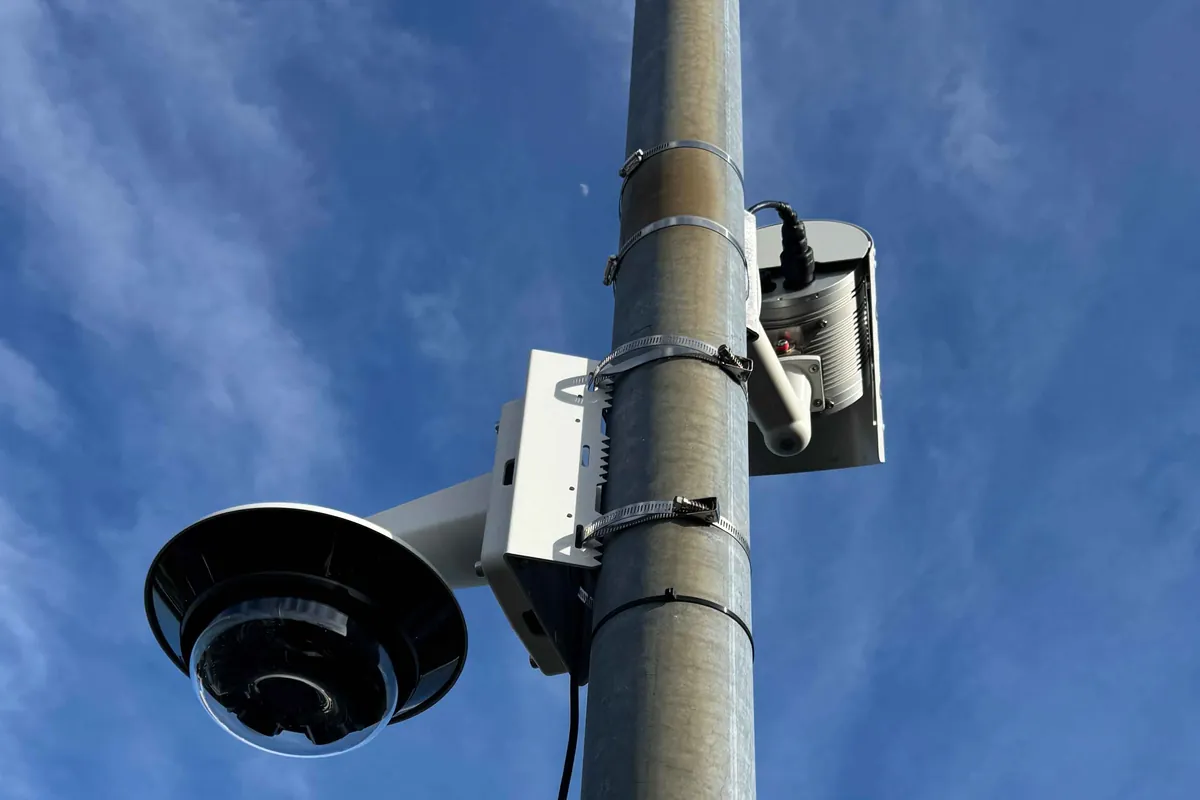
Match the camera to the job each position has to do. A dedicated ANPR camera, built only to read plates and with its own infrared light, goes on the ways in and out. A CCTV camera with ANPR as a software feature suits slow, controlled spots such as a gate, but is weaker at night and in glare. Older and newer ANPR units run side by side on the Smart Place system, so a scheme does not have to start by replacing hardware that still works.
No ANPR camera reads every plate. When a supplier quotes an accuracy figure, ask how, where and over how many vehicles it was measured.
Our guide to the types of ANPR camera compares the four kinds you will be offered and covers reading plates at night, in rain and glare.

Who watches it, and what it will not do
Nobody has to sit and watch it. Alerts go to the people who act on them.
Monitoring is on demand, not round the clock. AI analytics flag an event, such as a listed vehicle or movement out of hours, and prompt a remote monitoring station to view it. Get the response time and how it is charged in writing.
Live video stays in the camera software, where it is now. Smart Place sits on top of it for plate reads, alerts and search. It is not a video management system.
It comes with no crime-reduction percentage. We have no figure we could source, so none goes into your board paper. What you can report instead is what the scheme did: keep a log of alerts raised, searches run and evidence packs handed to the police or insurers.
Plate data: who controls it and how long it is kept
Retention in the schemes we design. Plate data is held in readable form for 30 days. After that, the plate is replaced with a hash, a code that stands in for the plate, and the original is deleted. The movement history survives on the hash, so repeat visits can still be counted, but the readable plate does not. A hashed plate is still personal data for the scheme that holds it. A supplier who tells you hashing makes it anonymous is wrong. How long the hashed record is kept is set by the scheme's controller and written into the data protection impact assessment (DPIA).
The scheme's controller decides retention and disclosure. Settle who that is, in writing, before the first camera goes up. In the schemes we design, the BID or estate owner is usually the controller, and OneTek processes the data on its behalf under a written agreement. We host the plate data ourselves. Searching it is a permission the scheme gives to named users only, and every search is logged. Our guide to DPIAs for district CCTV and ANPR explains how to work it out and what the assessment has to cover.
Evidence for the police and insurers. When the police ask for a vehicle's movements, the evidence export produces the images, the reads and a record that nothing was changed between capture and handover: the chain of custody. What to hand over, to whom, and how long to keep your own copy is covered in CCTV retention, evidence and police requests.
Fitting a scheme to your BID term
Cameras and a network outlast a BID term, so the contract has to say what happens at the ballot.
British BIDs explains that BIDs "operate for a maximum of five years", and that a ballot "must be won on two counts: straight majority and majority of rateable value".
Phase the scheme so the board approves one phase at a time: the ways in and out first, for example, then internal routes, then the reporting. Then put these questions to every supplier you shortlist:
Questions to ask any supplier
- Are support fees fixed for the whole term?
- Is there a break clause at the ballot date, and what does it cost to use?
- Who owns the cameras and the network at the end of the term?
- Can the scheme transfer (novate) to the council or a successor body?
- Do any licences or contracts run past the term?
- What happens to the data if the scheme ends?
Our funding guide sets out who pays for a scheme, and who approves it.

What else the plate reads tell your board
The reads that serve security also describe the traffic through your estate: evidence for a board paper or a ballot pack.
- Vehicle mix. Plates checked against DVLA records give make, colour, fuel type and year, all searchable.
- Traffic counts, by entrance, hour and direction.
- Emissions reporting. Vehicle counts by fuel type, age and Euro rating feed a transport emissions report.
The scheme's CCTV can count people on foot as well.
If you want these reports, write them into the DPIA from the start. Using security data for a purpose nobody wrote down is how schemes get into difficulty with members and the regulator.
Where this has been done
West Chester BID
54 AI-enabled CCTV cameras and 3 ANPR cameras covering the estate entrances, across 14 locations, launched September 2023.
Winsford 1-5 BID
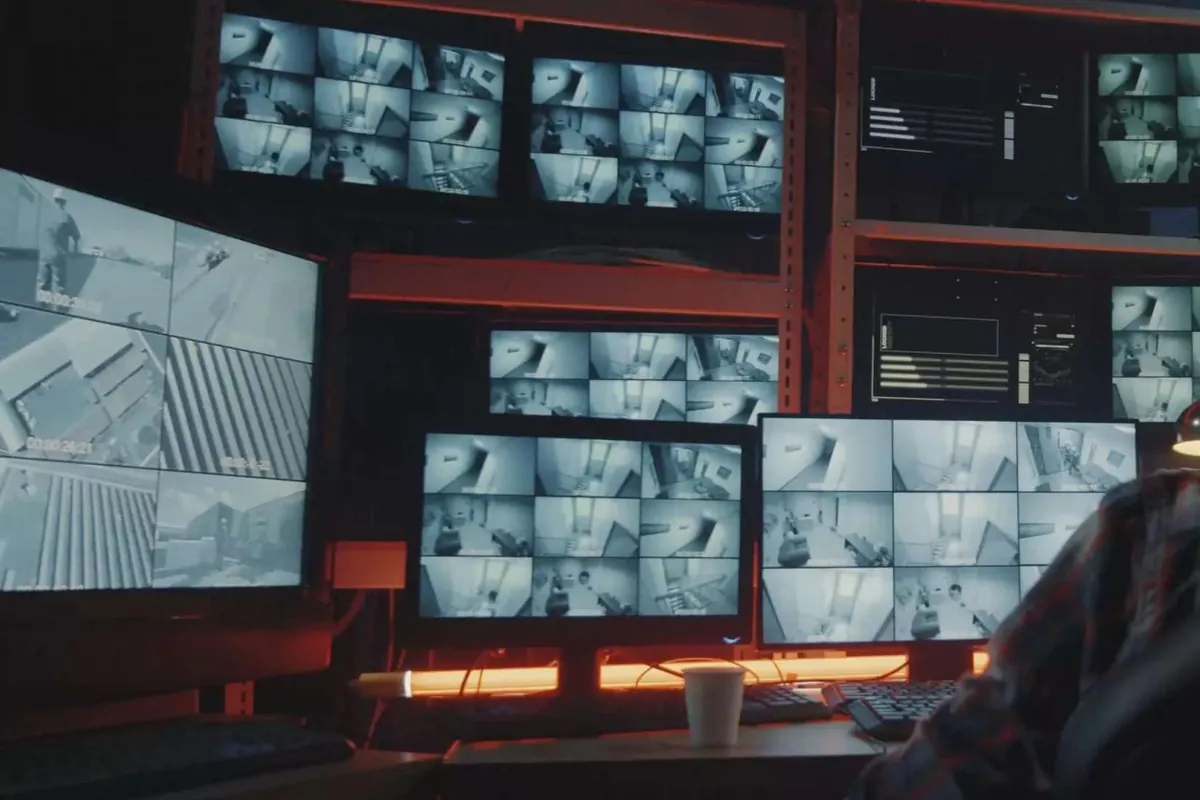
A decade-long programme of estate-wide CCTV and ANPR, handling hundreds of thousands of vehicle movements per month.
Gadbrook Park BID
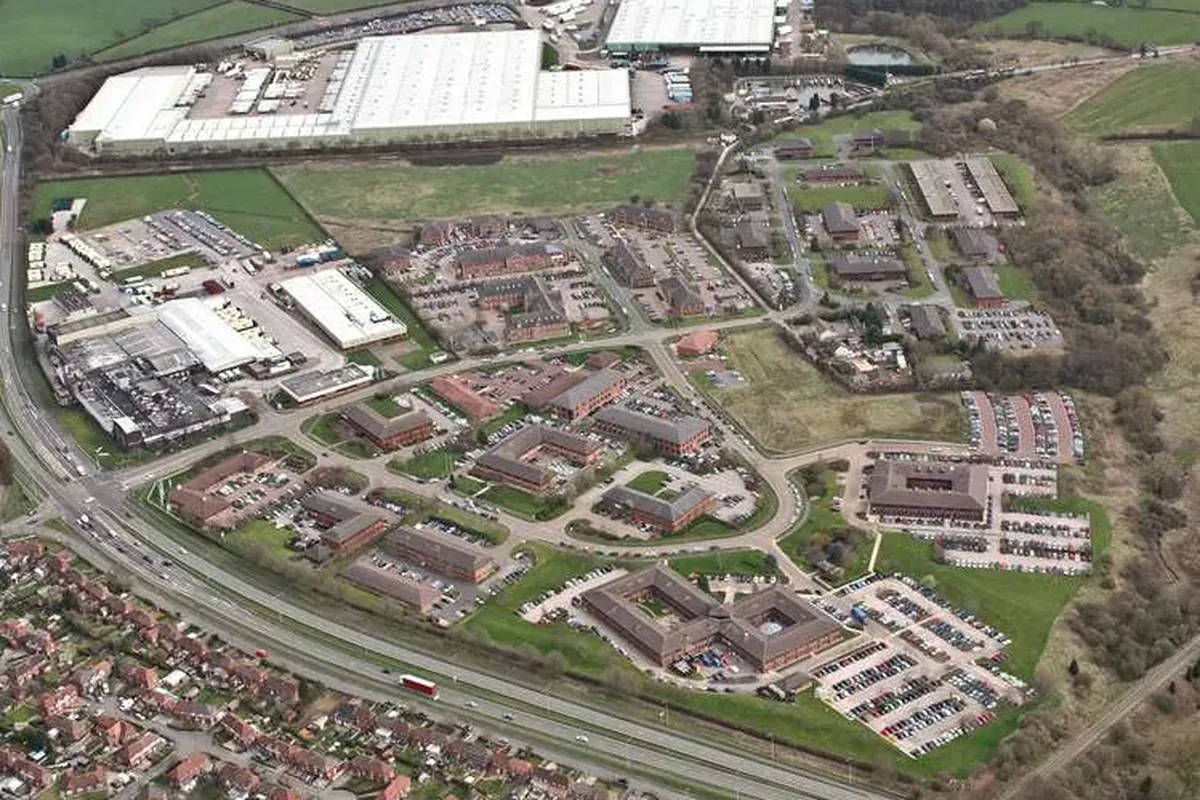
Ageing cameras on timed tours replaced with four-lens panoramic units, with ANPR alongside, over a relationship of more than six years.
Clacksfirst BID
Rebuilding CCTV across five Clackmannanshire estates, with plate reading added as cameras are replaced.
Common questions
Is it legal for a BID or estate to run ANPR?
Yes, if it meets UK GDPR: a DPIA before deployment, a named controller, a stated retention period and signs. In England and Wales, the police and councils must have regard to the Surveillance Camera Code of Practice, and other operators, including BIDs, are encouraged to adopt it voluntarily. The Code does not apply in Scotland. Our guide to DPIAs for district CCTV and ANPR takes you through it.
Why not rely on the council's or the police's cameras?
Council and police cameras cover the public highway, on their own priorities and budgets. The private roads and yards inside an estate often fall outside them. Some estate schemes are partnerships instead. Manor Royal's area-wide scheme in Crawley was "completed thanks to a collaboration between the Manor Royal BID, Sussex Police and West Sussex County Council".
Can ANPR tell us who owns a vehicle?
No. ANPR reads the plate. It does not tell you who the registered keeper is. The keeper's details sit with the DVLA, and an estate scheme does not receive them.
A member's unit has been broken into. Can we give them the footage and plate data?
There is no rule against it, but it is a disclosure to a third party. It should follow the written disclosure policy your scheme agreed before it went live. Our guide to CCTV retention, evidence and police requests covers how to handle it.
Do we have to keep ANPR data for 12 months, like the police?
No. Twelve months is the police rule for reads held in the national police ANPR system, and the Home Office standard sets 90 days for reads held locally by police forces. A private scheme sets its own period, justifies it by its purpose, and keeps data only as long as it needs to.
Start with a walk round the estate
The first step is a walk round the estate with you. We look at the ways in and out, where power and a network can reach, which roads are private and who has to approve what. You come away knowing what a camera plan for your estate would involve. It costs nothing and commits you to nothing.