
Planning ANPR across an estate: where the cameras go
Plan an estate ANPR scheme from the ways in and out, then work inwards. Every position needs power and a connection, so plan those alongside the cameras.
Where the cameras go
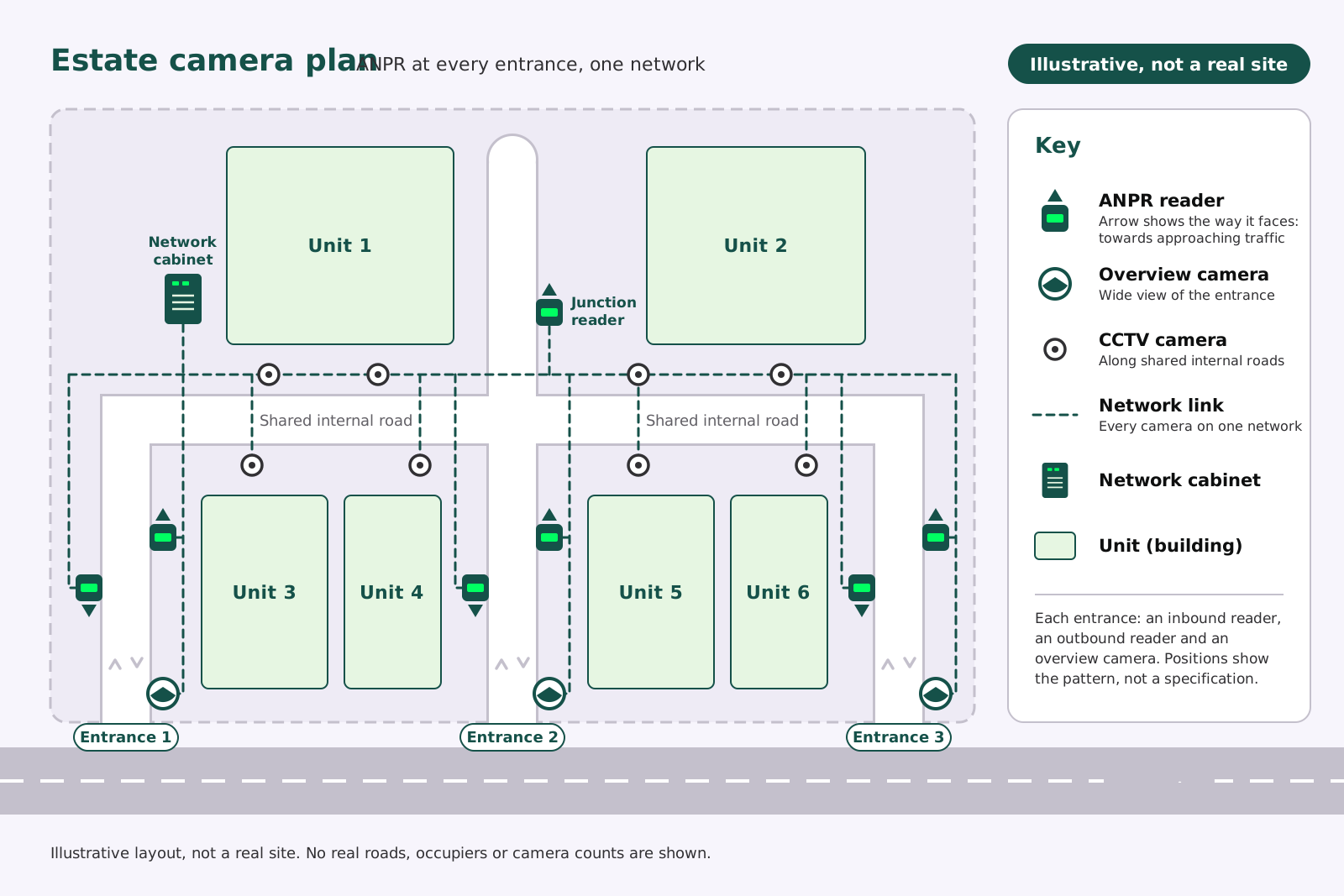
Start with the ways in and out. On most estates, every vehicle has to use one of a small number of roads to enter and leave. Readers on each of those roads give you a read on the way in and another on the way out, and that is where plate reading earns its keep.
BIDs describe their own schemes the same way. Halton BID's page on its Astmoor estate says 11 of its cameras are "number plate recognition cameras at each of Astmoor's main entrance points".
Then work inwards:
- Point readers at oncoming traffic. The Home Office police standards say read performance is "most easily met for vehicles travelling towards a camera". At an entrance, that often means one reader for traffic coming in and one for traffic going out.
- Put an overview camera beside every reader. It shows the make, colour and behaviour the plate camera cannot. If the vehicle does not match the one the plate belongs to, that is how a cloned plate gets noticed.
- Cover the routes between with CCTV. ANPR tells you which vehicle; CCTV on the shared roads and yards shows what it did.
- Add internal junctions only where they answer a question, such as which zone a vehicle went to.
- Keep the number down. The ICO's checklist asks you to confirm "We keep the number of ANPR cameras we use to a minimum", and that cameras are placed so they do not capture vehicles that are not of interest, such as traffic on a neighbouring residential street.
- Check who owns each road. A camera on a private estate road needs the landowner's agreement. Anything on or over the adopted highway involves the council.
The ICO's ANPR guidance is under review following the Data (Use and Access) Act, so check the current version before quoting it to your board.
Which type of camera each position needs is covered in our guide to the types of ANPR camera.
We plan positions and coverage on a map before anything is bought, so a board sees a plan rather than a list of cameras.
Power and a connection at every position
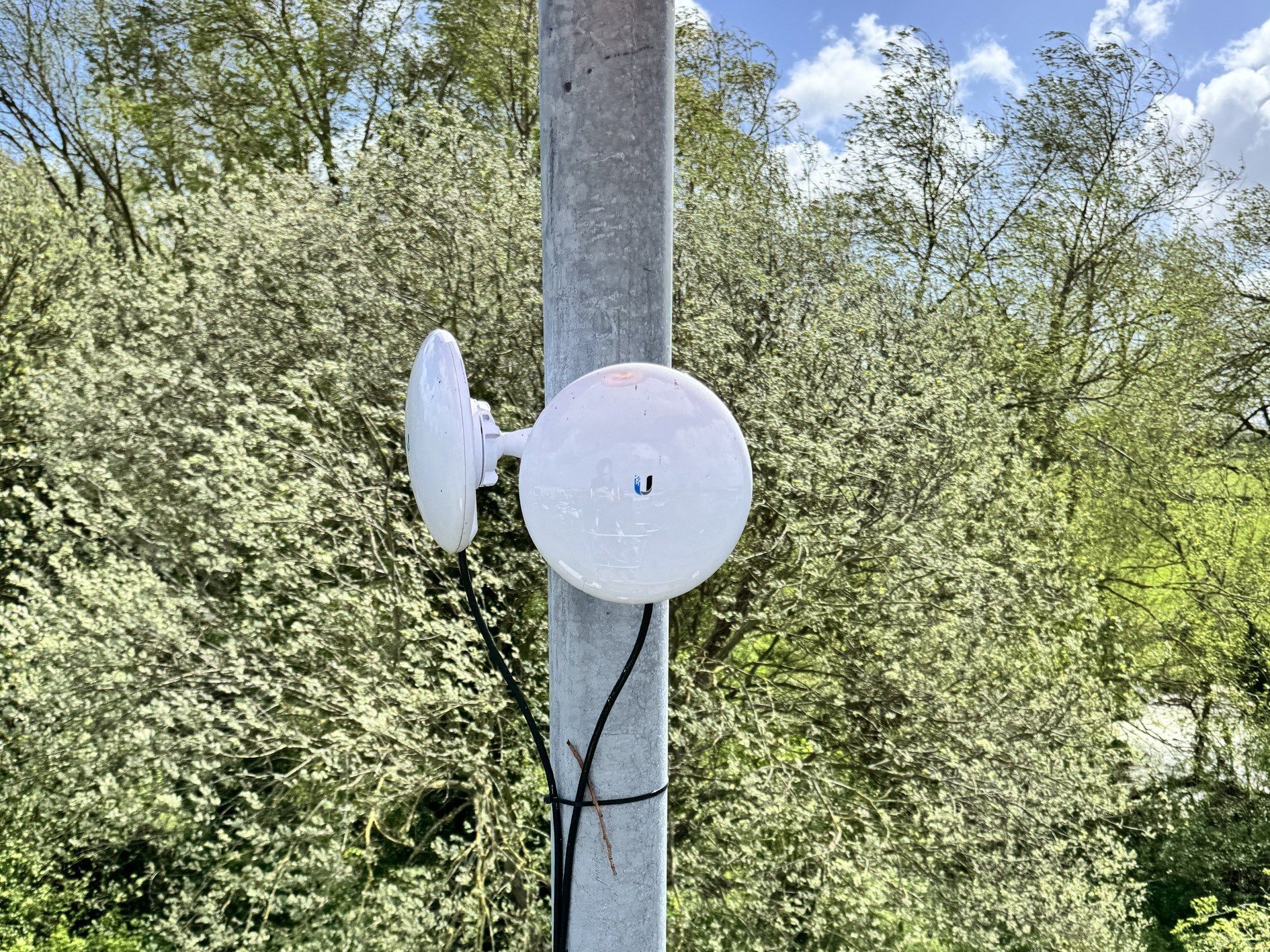
Entrances are often at the edge of the estate, with no power or data, and every reader needs both. You can put a broadband line to each position, or build one estate network, using fibre where it can go and wireless where it cannot. Separate lines are quick to order but add a monthly bill per pole. One network is a bigger design job at the start, but it removes the separate lines. Who owns and controls that network is a contract question, covered in how a scheme fits a BID term.
Either way, a reader should hold its reads when the link drops and send them when it comes back, so a fault overnight does not cost you the night's plates.